
What is Corrective Osteotomy?
Also known as: Malunion correction, corrective osteotomy, 3D-planned osteotomy, guided osteotomy, distal radius malunion osteotomy, deformity correction surgery, patient-specific osteotomy guide, high tibial osteotomy planning, realignment osteotomy
A corrective osteotomy is a planned cut through a bone that has healed in the wrong position, or that is shaped in a way that loads a joint unevenly, so the segment can be moved into a corrected position and held there while it heals. The commonest reason is a malunion: a fracture that was treated without surgery, or fixed and then shifted, and consolidated with the anatomy out of line. Typical consequences are loss of rotation in the forearm, a wrist that hurts under load, or a knee that carries its weight through one compartment.
The difficulty is not making the cut, it is knowing exactly which cut to make. A deformity is rarely in one plane. Planned from plain films, it becomes a judgment call once the saw is in your hand, and the correction you get is the correction you can see. Planned from a CT, the deformity can be quantified against the opposite side in all three planes before the patient is anaesthetised.
In Cyprus, the patient-specific route runs through Tailor Surgery (Sabadell, Spain), for which OrganoGEN is the exclusive distributor. The surgeon sends the CT, a clinically validated and costed plan comes back within 48 hours, and once the plan is approved and reimbursement is secured, the cutting and drill guides, any custom-made plate, the screws and the single-use instrumentation are delivered for the case in one box. The guide is designed to seat on that patient's bone surface in one position only, so the osteotomy performed is the osteotomy that was planned. Where the correction is held with standard hardware instead, Hofer Osteosynthesis locking plates are used in the same way as for internal osteosynthesis.
The manufacturer reports planning-to-execution deviation under 3° and 2 mm. That figure is its summary of the studies it cites, several of which evaluate patient-specific instrumentation in general rather than these devices specifically.
📋 Procedure at a Glance
- Problem
- Malunion or structural deformity
- Planning
- CT-based, corrected in three planes
- Guides
- Patient-specific, seat in one position only
- Fixation
- Custom-made or standard locking plate
- Imaging needed
- CT to the planning protocol
- Proposal
- Costed plan back within 48 hours
- Anaesthesia
- Region-specific
- GESY
- Per-case application
Am I a candidate?
Good candidates
- Symptomatic malunion of the distal radius, forearm, humerus, tibia or femur, with measurable deformity on CT
- Loss of forearm rotation or painful loading attributable to the malalignment rather than to joint surface damage
- Deformity around the knee loading one compartment, where the joint surface is still worth preserving
- Foot and ankle deformity suitable for supramalleolar, calcaneal or forefoot correction
- A patient fit for elective reconstructive surgery who can follow a region-specific rehabilitation programme
Patients in whom another option may be preferred
- Active local or systemic infection
- End-stage arthritis of the affected joint, where realignment no longer changes the loading picture
- Acute injuries that need fixing before a plan and guides could be manufactured
- Bone stock inadequate to hold the planned fixation
- A patient unable or unwilling to complete the post-operative protocol
GESY coverage & out-of-pocket cost
There is no standard GESY code for a device made for a single patient. Where the case is planned with patient-specific guides or a custom-made implant, OrganoGEN prepares and submits an individual reimbursement application, and approval is secured before anything is manufactured, because a custom-made device cannot be cancelled once production starts. The surgical episode itself follows the usual GESY pathway for the operating surgeon and hospital.
Where the correction is planned conventionally and held with standard implants, the usual internal-fixation reimbursement applies. Surgeons can send a case for a costed proposal, and patients can request a quote.
Devices used in this procedure
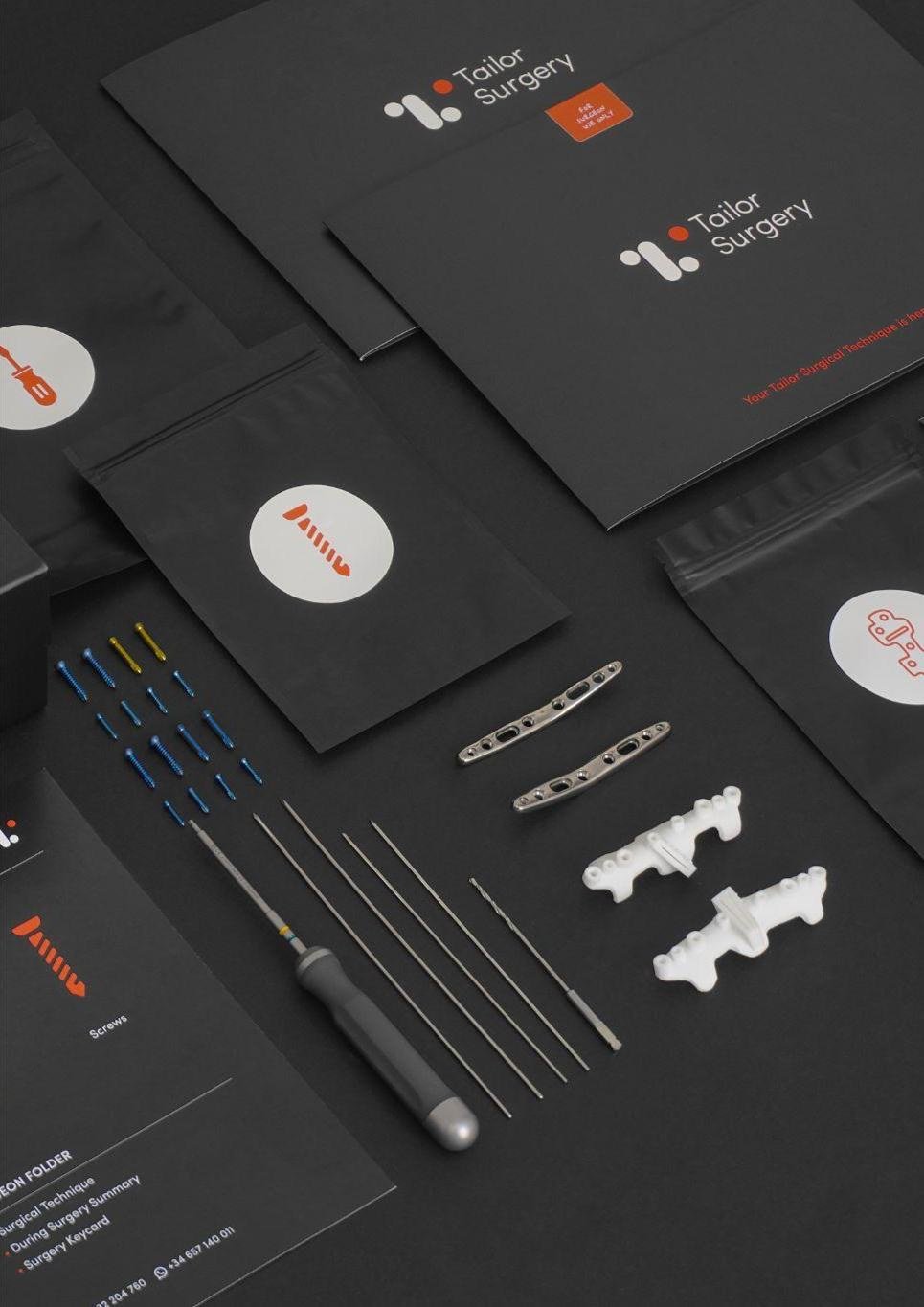 Tailor Surgery Patient-Specific SystemOrthopaedics & Trauma · Patient-Specific Planning, Guides and Implants
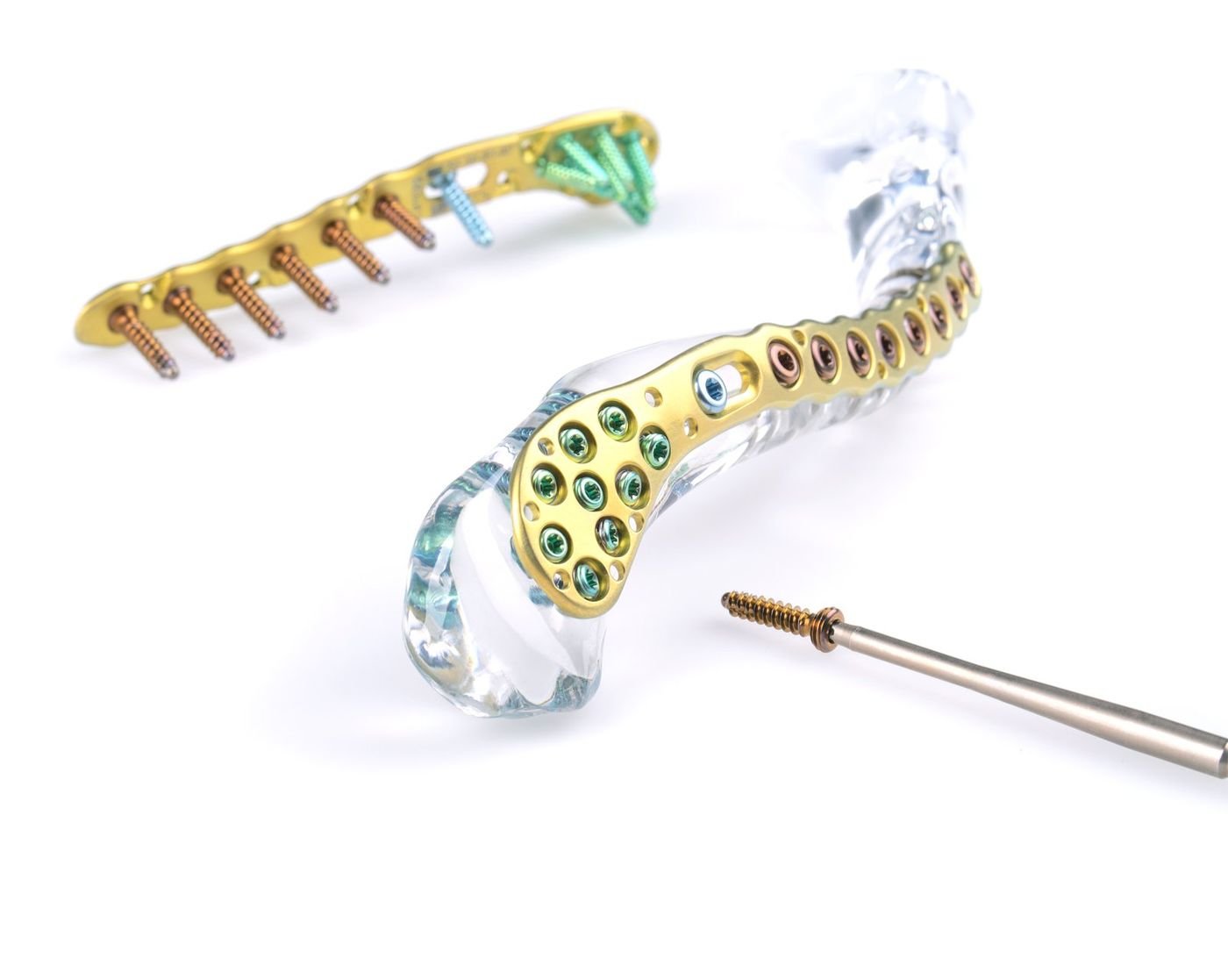 Hofer Osteosynthesis Locking-Plate SystemOrthopaedics & Trauma · Locking Plates
Where to have Corrective Osteotomy in Cyprus
OrganoGEN supplies GESY-contracted hospitals across the island. Contact us for the current list of participating surgeons in:
Talk to a surgeon in Cyprus
OrganoGEN can connect you with a participating GESY-contracted surgeon for a consultation.
Information is educational and not a substitute for individual surgical advice. Patient outcomes vary; please consult a qualified surgeon to discuss whether this procedure is right for you.
